27
Jul
Pluto Train 2 LNG Project: Advanced LNG Processing Expansion with Next-Generation Instrumentation & Automation Solutions
The Pluto Train 2 Project is one of the most closely watched liquefied natural gas (LNG) expansions in Western Australia. It adds a second LNG processing “train” to an existing onshore LNG facility near Karratha and it’s a strong real-world example of how modern gas infrastructure depends on precise industrial sensors, automation systems, and test & measurement instruments to run safely and efficiently.
In this article, we look at what the Pluto Train 2 Project actually involves, why it’s important, the benefits it delivers once operational, and the leading instrumentation brands that make projects like this possible.
What Is the Pluto Train 2 Project?
An LNG “train” is a complete processing line that treats and cools natural gas down to roughly -162°C, turning it into liquid form so it can be efficiently stored and shipped. Pluto Train 2 is the addition of a second such processing line at an existing LNG facility on the Pluto LNG site near Karratha, Western Australia.
Key facts about the project:
- New LNG capacity: The new train adds approximately 5 million tonnes per annum (MTPA) of LNG processing capacity to the existing facility.
- Feed gas source: The train processes gas from an offshore gas field development, feeding it through the onshore facility for treatment, liquefaction, and export.
- Domestic gas infrastructure: The project also includes new domestic gas facilities with the capacity to supply approximately 225 terajoules of gas per day to the local Western Australian market.
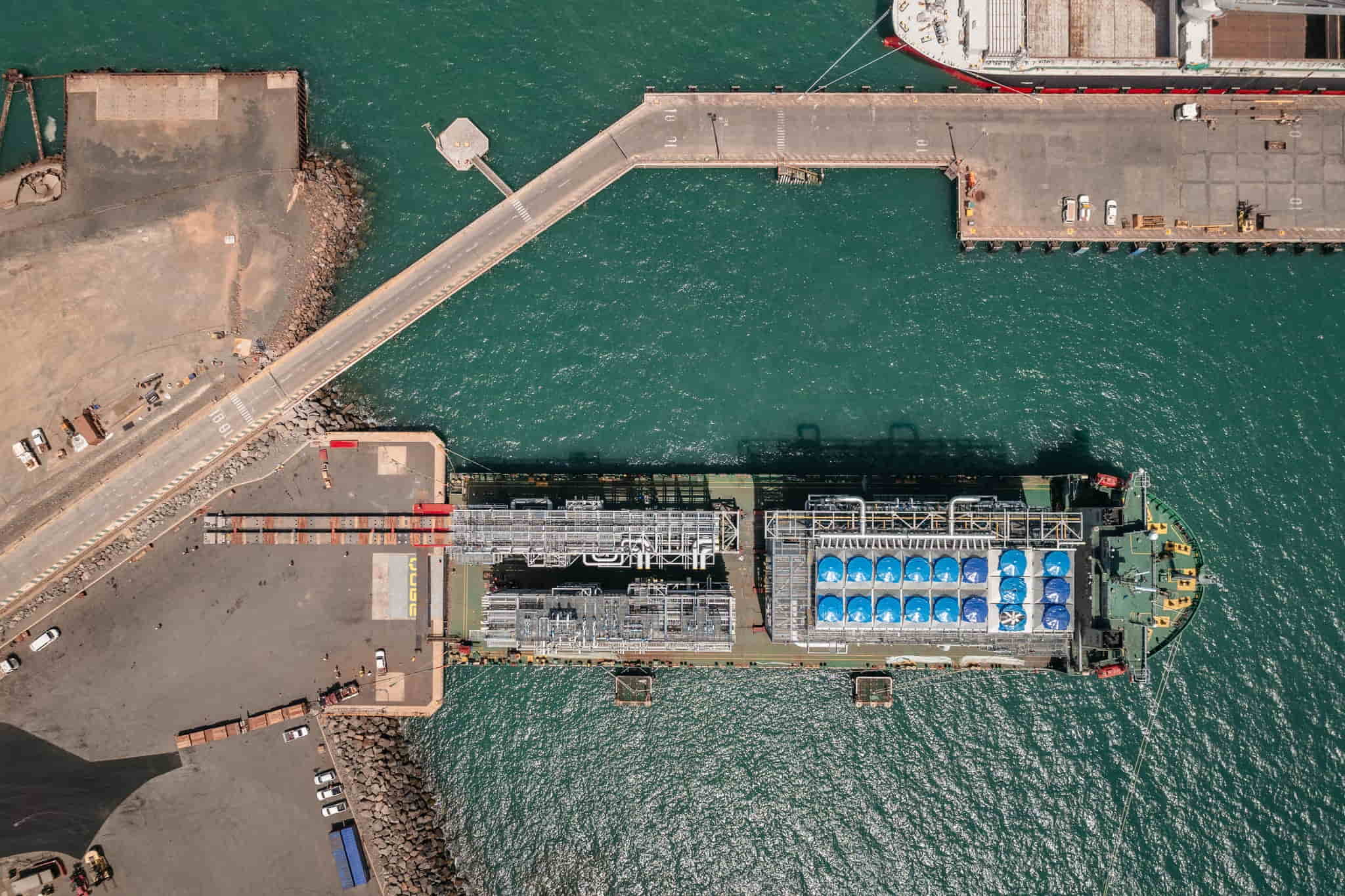
- Construction scale: The expansion involved large modular construction, with dozens of prefabricated process modules weighing tens of thousands of tonnes in total transported to the site and integrated with the existing plant.
- Timeline: Construction began in 2022, with major module integration completed by early 2025 and first LNG production targeted for 2026.
In short, Pluto Train 2 essentially doubles the processing capability of an existing LNG facility, allowing it to handle gas from a new offshore field while continuing to operate its original train.
Why the Pluto Train 2 Project Matters
1. Strengthens Regional and Global LNG Supply
LNG demand continues to grow as countries look for lower-carbon transitional energy sources compared to coal and oil. Adding a second processing train significantly increases export capacity, supporting long-term LNG supply commitments.
2. Supports Domestic Energy Security
Beyond exports, the new domestic gas infrastructure helps secure a stable, long-term gas supply for the local market supporting industrial, commercial, and residential energy needs in Western Australia.
3. Unlocks New Offshore Gas Resources
By processing gas from a newly developed offshore field, the project allows previously undeveloped gas reserves to be brought into production, extending the productive life of the surrounding LNG hub.
4. Drives Significant Economic Activity
Large-scale LNG train expansions of this size generate thousands of construction jobs at peak activity and hundreds of long-term operational roles once the facility is running, along with substantial flow-on economic benefits for the surrounding region.
Benefits After Implementation
Once a project like Pluto Train 2 is fully commissioned and operational, the benefits extend well beyond the construction phase:
- Higher throughput and efficiency: Running two trains in parallel improves overall plant utilization and allows maintenance on one train without halting total production.
- Improved reliability: Modern instrumentation and control systems installed during the expansion typically bring newer, more advanced monitoring capability to the entire site, improving fault detection and reducing unplanned downtime.
- Better emissions and energy performance: New-build LNG trains are generally engineered with more efficient compression, refrigeration, and heat-recovery systems than older-generation trains, improving the emissions intensity of the facility as a whole.
- Long-term jobs and regional investment: Ongoing operations and maintenance work sustains local employment well beyond the construction period.
- Extended asset life: Expanding an existing site rather than building a new one from scratch allows shared use of existing infrastructure, storage, and export facilities, improving the long-term economics of the hub.
Advanced LNG Processing Technology Used in Pluto Train 2
ConocoPhillips Optimized Cascade™ LNG Technology
The Pluto Train 2 design uses the ConocoPhillips Optimized Cascade™ LNG liquefaction process, a proven technology used for efficient natural gas cooling and liquefaction.
The process involves multiple refrigeration stages:
- Propane refrigeration
- Ethylene refrigeration
- Methane refrigeration
The LNG cooling process requires highly accurate monitoring and control of:
- Temperature
- Pressure
- Flow rate
- Compressor performance
- Gas composition
2. Advanced Analyzer Technologies
ABB is highly respected for:
- Gas analyzers
- Emissions monitoring
- Process analyzers
As environmental regulations tighten in the United States, analyzer accuracy becomes increasingly important.
High-Efficiency Gas Turbine Compression System
One of the important technological features of Pluto Train 2 is the use of GE LM6000 PF+ aeroderivative gas turbines for refrigeration compressor drives.
These high-performance turbines support:
- Efficient LNG refrigeration
- Reduced energy consumption
- Improved operational reliability
- Lower emissions intensity
Each compressor system requires advanced monitoring solutions including:
- Vibration monitoring
- Temperature measurement
- Pressure monitoring
- Turbine control instrumentation
Major Industrial Equipment & Automation Requirements
A modern LNG facility depends on thousands of industrial instruments and automation components to maintain safe and efficient operation.
Pressure Measurement Systems
Pressure monitoring is critical throughout LNG processing units.
Applications include:
- Gas treatment systems
- Compressor systems
- Refrigeration circuits
- Storage facilities
- Pipeline systems
Common technologies:
- Pressure transmitters
- Differential pressure transmitters
- Remote seal transmitters
Temperature Measurement Solutions
LNG processing requires extremely accurate temperature measurement because natural gas is cooled to cryogenic temperatures.
Applications:
- Heat exchangers
- Refrigeration systems
- Compressor monitoring
- LNG processing units
Equipment includes:
- RTDs
- Thermocouples
- Temperature transmitters
Flow Measurement Instruments
Flow measurement ensures accurate control of:
- Natural gas flow
- Refrigerant flow
- LNG production rates
- Utility consumption
Common technologies:
- Coriolis flow meters
- Ultrasonic flow meters
- Differential pressure flow meters
- Magnetic flow meters
Level Measurement Systems
Level instruments are used in:
- LNG storage tanks
- Separation vessels
- Process vessels
- Refrigerant systems
Common technologies:
- Radar level transmitters
- Guided wave radar
- Differential pressure level measurement
Common Instrumentation Technologies Used in LNG Facilities
Modern LNG facilities require a wide range of measurement, automation, and condition-monitoring technologies to support safe, reliable, and efficient operation. Large LNG projects typically use instrumentation from established global manufacturers across areas such as process measurement, machinery protection, automation, calibration, and electrical testing.
Note: Specific instrumentation suppliers, equipment models, and automation systems selected for the Pluto Train 2 Project have not been publicly disclosed. The manufacturers discussed below represent commonly used technologies across LNG and process industries and should not be interpreted as confirmed Pluto Train 2 suppliers.
Rosemount and Emerson: Pressure, Temperature & Flow Measurement
Process measurement is a critical part of LNG operations, where accurate monitoring of pressure, temperature, and flow parameters helps maintain stable process conditions.
Instrumentation solutions from manufacturers such as Emerson, including Rosemount measurement technologies, are widely used across oil and gas and process industries for applications such as:
- Pressure monitoring
- Differential pressure measurement
- Temperature measurement
- Flow measurement
- Process monitoring
These measurement technologies are commonly applied in gas processing, refrigeration systems, pipelines, and other industrial process applications.
Bently Nevada: Condition and Vibration Monitoring
LNG facilities rely on large rotating equipment, including compressors, turbines, and pumps, where reliability and predictive maintenance are essential.
Machinery protection and condition monitoring solutions from Baker Hughes (Bently Nevada) are widely recognised in industries that require continuous monitoring of rotating assets.
Typical applications include:
- Vibration monitoring
- Shaft displacement measurement
- Bearing condition monitoring
- Predictive maintenance programmes
These technologies help operators identify potential mechanical issues before they lead to equipment failure.
Druck and Panametrics: Calibration and Flow Verification
Accurate measurement is essential in LNG and process industries, where instrumentation must maintain reliability and traceability.
Calibration and measurement solutions from manufacturers such as:
are commonly used for:
- Pressure calibration
- Flow measurement verification
- Moisture measurement
- Instrument testing
Calibration activities support commissioning, maintenance, and quality assurance programmes across industrial facilities.
Siemens and Yokogawa: Process Automation and Control
Large industrial processing facilities require advanced automation systems to monitor and control thousands of operating parameters.
Automation platforms from companies such as:
are widely used in process industries for:
- Distributed control systems (DCS)
- Programmable logic controllers (PLC)
- Process monitoring
- Safety-related control applications
The selection of automation platforms depends on project requirements, engineering design, and operator specifications.
Fluke and Keysight: Field Testing and Diagnostics
During construction, commissioning, and maintenance activities, industrial technicians use specialised test and measurement equipment to verify electrical and instrumentation systems.
Common testing equipment includes:
- Digital multimeters
- Clamp meters
- Thermal imaging cameras
- Signal measurement equipment
Manufacturers such as:
- Fluke Corporation
- Keysight Technologies
provide tools used across industrial facilities for troubleshooting, verification, and maintenance activities.
Endress+Hauser and Rockwell Automation: Process Instrumentation and Industrial Control
Process industries require reliable instrumentation for measuring variables such as:
- Level
- Flow
- Pressure
- Analytical parameters
Companies such as:
provide measurement and automation technologies used in a wide range of industrial applications.
These solutions support process monitoring, operational efficiency, and equipment reliability in sectors including LNG, oil and gas, chemicals, and power generation.
The Role of Instrumentation in Modern LNG Projects
Large LNG developments demonstrate the importance of accurate measurement, automation, and control systems in maintaining safe and efficient operations.
From pressure measurement in process equipment to vibration monitoring on rotating machinery, instrumentation provides essential information that helps operators:
- Monitor plant conditions
- Improve operational reliability
- Support preventive maintenance
- Maintain safe operating conditions
While specific instrumentation selections vary between LNG projects, reliable sensors, transmitters, control systems, and test equipment remain fundamental components of modern energy infrastructure.
Why Choose 212 Instruments?
At 212 Instruments is a USA-based supplier delivering premium, genuine instrumentation, automation, and test equipment from leading global brands, including: Rosemount, Bently Nevada, Fluke, Emerson, Druck, Panametrics, Siemens, Yokogawa, Endress+Hauser, Schneider Electric, and Rockwell Automation.
- Pressure, temperature, and flow measurement instruments (Rosemount, Yokogawa, Endress+Hauser)
- Vibration and condition-monitoring systems (Bently Nevada)
- Digital multimeters, clamp meters, and calibration tools (Fluke, Druck)
- PLCs, DCS components, and automation hardware (Siemens, Rockwell Automation, Schneider Electric)
- Test and measurement instruments for commissioning and diagnostics (Keysight, Rohde & Schwarz)
Our focus is providing reliable instrumentation solutions for applications where measurement accuracy, equipment reliability, and product authenticity are essential.
With competitive pricing, fast global logistics, and a commitment to supplying only genuine products, 212 Instruments helps industrial teams keep large-scale energy projects on schedule and within specification.
Conclusion
The Pluto Train 2 LNG Project represents a major advancement in LNG processing technology, combining high-efficiency liquefaction systems, advanced compression technology, and modern industrial automation.
With sophisticated process requirements, projects of this scale depend on reliable instrumentation from trusted manufacturers such as Emerson, Honeywell, Siemens, ABB, Yokogawa, and GE.
For LNG operators and industrial buyers, selecting the right measurement and automation equipment is essential for achieving safe, efficient, and reliable plant performance.
Get in Touch with Our Product Specialists
- WhatsApp: (516)-728-6765
- Email: [email protected]
Reach out today to discuss your project requirements and get expert guidance on selecting the most reliable industrial automation and instrumentation solutions for your application.